
Chiropractic care for spine health may help some adults manage back pain, neck discomfort, and movement-related limitations without surgery. Chiropractors use clinical assessments and selected hands-on techniques to address certain musculoskeletal symptoms, often alongside exercise and other conservative treatments. The National Institutes of Health reports that spinal manipulation may provide modest improvements in low-back pain and physical function, although results vary among patients. Understanding how chiropractic care works, who may benefit, and when treatment is inappropriate helps people make informed decisions about their spine health.
- Chiropractic care is one of several nonsurgical approaches to certain spine-related symptoms.
- Spinal manipulation may provide modest pain relief and functional improvement for some patients.
- Clinical assessments help determine whether manual treatment is appropriate.
- Exercise, physical activity, and daily movement habits remain important parts of spine care.
Why Spine Health Matters
The spine supports the body’s trunk, contributes to movement, and protects the spinal cord as it carries signals between the brain and other parts of the body. Muscles, ligaments, intervertebral discs, and spinal joints work together during bending, lifting, walking, and sitting. Pain or restricted movement can interfere with daily activities, although discomfort does not automatically mean that the vertebrae are misaligned or that nerves are damaged. The National Library of Medicine explains that evaluating back pain involves reviewing symptoms, physical activity, injuries, and possible neurological changes rather than assuming every patient has the same underlying problem.
- Spinal joints contribute to bending and rotational movements.
- Surrounding muscles help support the trunk during activity.
- Intervertebral discs assist with movement and load distribution.
- Changes in strength, mobility, and pain can affect ordinary daily tasks.
How Chiropractic Care Supports Spine Health
Chiropractic care commonly involves assessing musculoskeletal symptoms and considering whether manual treatment may help improve comfort or movement. Depending on the diagnosis, a chiropractor may use spinal manipulation, gentler joint mobilization, exercise recommendations, and education about activity. The National Center for Complementary and Integrative Health identifies spinal manipulation as a common chiropractic treatment, particularly for back and neck complaints. Treatment should address measurable symptoms and functional goals rather than promising to correct every health problem through spinal adjustments.
- Evaluate pain location, duration, and aggravating movements.
- Consider whether joint-focused treatment is appropriate.
- Recommend suitable activity and movement strategies.
- Monitor changes in pain and everyday physical function.
Chiropractic Treatment for Lower Back Pain
Lower back pain is among the most extensively studied reasons adults seek spinal manipulation. The NIH summarizes research showing that spinal manipulation can produce small improvements in pain and physical function for some people with acute or chronic low-back pain. These improvements do not occur for everyone, and manual treatment has not consistently shown a large advantage over other recommended conservative therapies. Patients should consider expected benefits, treatment preferences, other medical conditions, and functional goals before deciding whether chiropractic care is appropriate.
- Discuss how pain affects walking, lifting, sleeping, or standing.
- Ask what improvement is reasonably expected from treatment.
- Consider exercise and other evidence-based treatments alongside manual care.
- Reassess the treatment plan when meaningful improvement does not occur.
Chiropractic Care for Neck Discomfort
Neck discomfort can involve muscle tension, joint stiffness, and difficulties with turning or positioning the head. Certain manual therapies may help reduce symptoms in selected patients, although evidence quality and the expected amount of benefit vary. The NIH reports that manipulation or mobilization may help some types of acute and chronic neck pain while emphasizing the importance of understanding treatment risks. Patients with unusual neurological symptoms, suspected vascular problems, significant trauma, or conditions that increase injury risk need appropriate medical assessment before neck manipulation is considered.
- Identify whether symptoms follow an injury or developed gradually.
- Describe headaches, dizziness, arm symptoms, or other associated complaints.
- Ask about gentler techniques when appropriate.
- Discuss potential risks and alternatives before cervical manipulation.
What Happens During a Chiropractic Evaluation?
A chiropractic evaluation generally begins with a discussion of symptoms, medical history, medications, previous injuries, and current physical limitations. The clinician may assess posture, range of motion, tenderness, strength, reflexes, or other findings according to the patient’s condition and professional scope of practice. The National Library of Medicine describes medical back-pain examinations that consider pain patterns, movement, weakness, numbness, and warning signs suggesting a more serious cause. Information gathered during an assessment helps determine whether manual care, another conservative treatment, further testing, or a medical referral is appropriate.
- Review previous back or neck injuries and treatments.
- Discuss osteoporosis, prior fractures, surgeries, and relevant illnesses.
- Describe medications and any neurological symptoms.
- Identify specific physical activities that trigger or worsen pain.
- Set realistic treatment goals and discuss alternatives.

Spinal Manipulation and Joint Mobilization
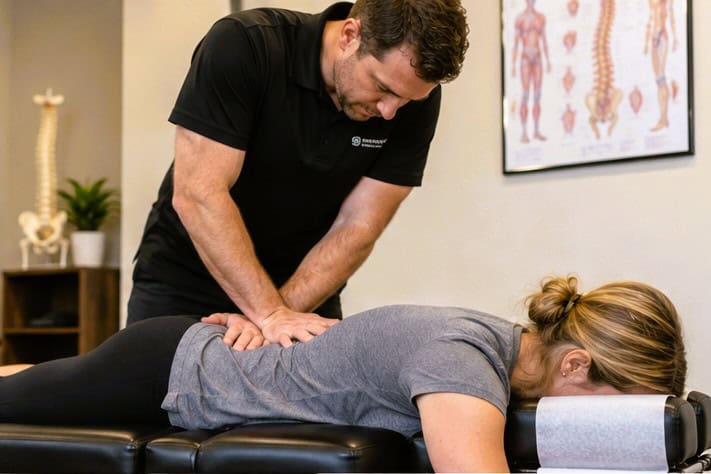
Spinal manipulation and joint mobilization are related techniques, but they do not use the same type of force or movement. Manipulation involves a controlled thrust delivered to a spinal joint, while mobilization uses slower movements within the joint’s natural range of motion. The NIH explains that spinal mobilization does not involve the same thrust used during manipulation, making the distinction useful when discussing treatment options. A qualified clinician should select a technique according to the patient’s condition, clinical findings, preferences, and any factors that make manipulation unsuitable.
- Spinal manipulation: Uses a controlled, relatively quick joint movement.
- Joint mobilization: Involves slower, controlled movements.
- Exercise-based care: Uses selected movements to build strength, mobility, or confidence.
- Patient selection: Determines whether a particular technique is suitable.
Why Chiropractic Adjustments Sometimes Pop
A popping or cracking sound may occur when pressure changes within a joint during an adjustment. Cleveland Clinic explains that these sounds involve gases within joints, similar to noises that sometimes occur when people move or crack their knuckles. The sound does not establish that a practitioner is more skilled, that a spinal disorder has been corrected, or that treatment was successful. Patient comfort, physical function, symptom changes, and clinical findings offer more useful ways to evaluate the response to care.
- A popping sound may occur during certain joint movements.
- A successful treatment does not require an audible crack.
- Joint sounds should not be used as proof that nerves have been restored.
Benefits of Combining Chiropractic Care and Exercise
Manual treatment is only one possible component of managing persistent back discomfort. Exercise may help improve strength, endurance, and confidence with movement, while education can help patients understand how to manage symptoms during ordinary activities. The World Health Organization includes exercise, education, and certain manual therapies among approaches for adults with chronic primary low-back pain. Its guidance encourages coordinated, person-centered care rather than relying on a single procedure to address every factor contributing to ongoing pain.
- Use suitable strengthening and mobility exercises.
- Discuss gradual activity increases with the treating clinician.
- Adjust workstations and everyday activities when they aggravate symptoms.
- Consider physical therapy or other care when additional rehabilitation is needed.
- Track whether treatment improves participation in normal activities.
Chiropractic Safety and Possible Side Effects
Spinal manipulation can cause temporary soreness, stiffness, headaches, or increased discomfort, and some patients have medical conditions that make particular techniques inappropriate. The NIH explains that serious complications are very rare but have been reported, including neurological injuries and cervical artery dissections associated with manipulation involving the neck. Research has not established a precise rate of these rare events, and there is disagreement about whether neck manipulation directly causes cervical artery dissection in every reported situation. The WHO recommends screening for contraindications such as osteoporosis and fragility fractures before spinal manipulative therapy is considered.
- Tell the clinician about osteoporosis, fractures, and significant spinal disorders.
- Discuss previous surgeries, medications, and neurological conditions.
- Ask about possible risks, expected benefits, and other treatment options.
- Report unusual or worsening symptoms during or after treatment.
- Seek urgent medical help for sudden severe neurological symptoms.
When Back Pain Requires Medical Attention
Some back and neck symptoms may indicate conditions that require medical assessment rather than routine chiropractic treatment. New bowel or bladder control problems, numbness around the groin, or rapidly worsening weakness can indicate serious neurological concerns requiring emergency evaluation. The National Library of Medicine also identifies fever, significant trauma, unexplained weight loss, and neurological changes as reasons to seek prompt medical attention for back pain. Patients should not delay emergency or medical care while attempting repeated spinal adjustments when these warning signs are present.
- Emergency evaluation: New loss of bladder or bowel control, saddle numbness, or rapidly progressive leg weakness.
- Prompt medical assessment: Fever with back pain, major trauma, or unexplained weight loss.
- Medical evaluation: Persistent, worsening, or unusual radiating symptoms.
- Urgent neurological assessment: Sudden severe headache, facial drooping, speech trouble, or one-sided weakness.
Daily Habits That Support Spine Health
Spine health depends on more than the treatment received during an office appointment. Regular movement, appropriate physical activity, strength training, and avoiding prolonged inactivity can contribute to better function for many people. The National Library of Medicine advises most people with uncomplicated acute low-back pain to remain as active as possible rather than relying on prolonged bed rest. Homeowners, office workers, and people with physically demanding jobs may benefit from reviewing lifting habits, changing positions throughout the day, and choosing activity levels suitable for their health.
- Take periodic movement breaks during prolonged sitting.
- Use lifting methods appropriate to the object and personal ability.
- Build strength and endurance with suitable physical activity.
- Adjust desk and monitor placement for comfortable working positions.
- Progress gradually when returning to activity after a painful episode.
Measuring Progress During Chiropractic Treatment
A useful treatment plan should identify the symptoms and functional limitations the patient hopes to improve. For example, someone with back discomfort after prolonged sitting might track how long they can work comfortably, whether walking is easier, and how frequently pain interrupts daily activities. The NIH evaluates the effects of spinal manipulation through changes in pain and physical function, which provides a practical model for tracking treatment response. Follow-up assessments should help determine whether the selected approach remains useful or whether a different treatment or referral is needed.
- Record initial pain and movement limitations.
- Identify functional goals related to work, sleep, or recreation.
- Note whether improvements continue between appointments.
- Review the treatment approach if progress stalls.
Choosing a Chiropractor for Spine Care
Selecting a chiropractor involves considering professional licensing, clinical experience, communication, and willingness to discuss treatment limitations. Patients should expect an appropriate history and examination before manipulation and should understand why a particular technique is recommended. The NIH recommends discussing chiropractic care with healthcare providers and sharing complete information about medical conditions and treatments. People considering care in Slidell can review the available chiropractic treatment services and information about neck and back pain before deciding which questions to bring to an appointment.
- Verify the chiropractor’s current professional license.
- Ask how the examination determines appropriate treatment.
- Discuss the expected number of visits without assuming lifelong care is required.
- Confirm that the clinician will coordinate referrals when necessary.
- Request clear explanations of risks, benefits, and alternatives.
Making Informed Decisions About Spine Health
Chiropractic care may be a reasonable treatment option for selected musculoskeletal complaints, especially when a careful assessment supports the use of spinal manipulation or mobilization. Its strongest established role is in helping some patients with back pain achieve modest improvements in comfort and physical function. Long-term spine care should also address physical activity, exercise, appropriate medical evaluation, and the factors that contribute to individual symptoms. A treatment plan grounded in clinical findings and regularly reviewed outcomes helps patients make decisions without expecting adjustments to cure unrelated medical conditions or guarantee permanent pain relief.

Key Takeaways on Chiropractic Care for Spine Health
- Chiropractic care may help some adults with low-back pain and selected neck complaints.
- Research generally shows modest benefits from spinal manipulation rather than guaranteed or dramatic improvement.
- Manipulation and mobilization use different joint movement techniques.
- Assessment of medical history and potential contraindications is important before treatment.
- Exercise, education, and daily activity habits remain important for long-term spine health.
- Rare serious adverse events have been reported, particularly in relation to certain neck manipulations.
- Severe or progressive neurological symptoms require appropriate medical evaluation rather than routine adjustments.
Frequently Asked Questions About Chiropractic Care
Can Chiropractic Care Improve Spine Health?
Spinal manipulation may produce modest improvements in pain and function for some adults with back or neck complaints. Benefits depend on the condition, treatment, and individual response. Chiropractic care is not proven to correct every spinal problem or prevent unrelated diseases.
Is Popping During a Chiropractic Adjustment Normal?
A popping or cracking sound can occur when gas movement takes place within a joint. The sound is not necessarily a sign of injury, but it also does not prove the treatment was successful. Patients should report painful or unusual sensations during treatment.
Are Chiropractic Adjustments Safe for Everyone?
No, some medical conditions or injuries can make spinal manipulation inappropriate or require a modified approach. Temporary soreness and stiffness are possible, and rare serious complications have been reported. An appropriate clinical evaluation and informed discussion of risks should occur before treatment.
Is Chiropractic Care the Same as Physical Therapy?
No, they are distinct healthcare professions, although their treatments may overlap. Chiropractors commonly use spinal manipulation and other musculoskeletal care, while physical therapists frequently emphasize rehabilitation, exercise, and functional movement. Both professions may use manual techniques and patient education depending on their training and the patient’s needs.
How Often Should Someone See a Chiropractor?
Visit frequency depends on symptoms, clinical findings, treatment goals, and response to care. Some patients may benefit from a limited course of treatment, while others require different management or referral. Regular chiropractic adjustments are not medically necessary for every healthy person.
- About the Author
- Latest Posts

With over 35 years of service, Dr. Robinson’s education continues in the areas of functional neurology and functional medicine/nutrition. In addition to certification in multiple techniques, his continuing education includes over 200 hours of Functional Neurology in addition to 100 hours of Applied Kinesiology.