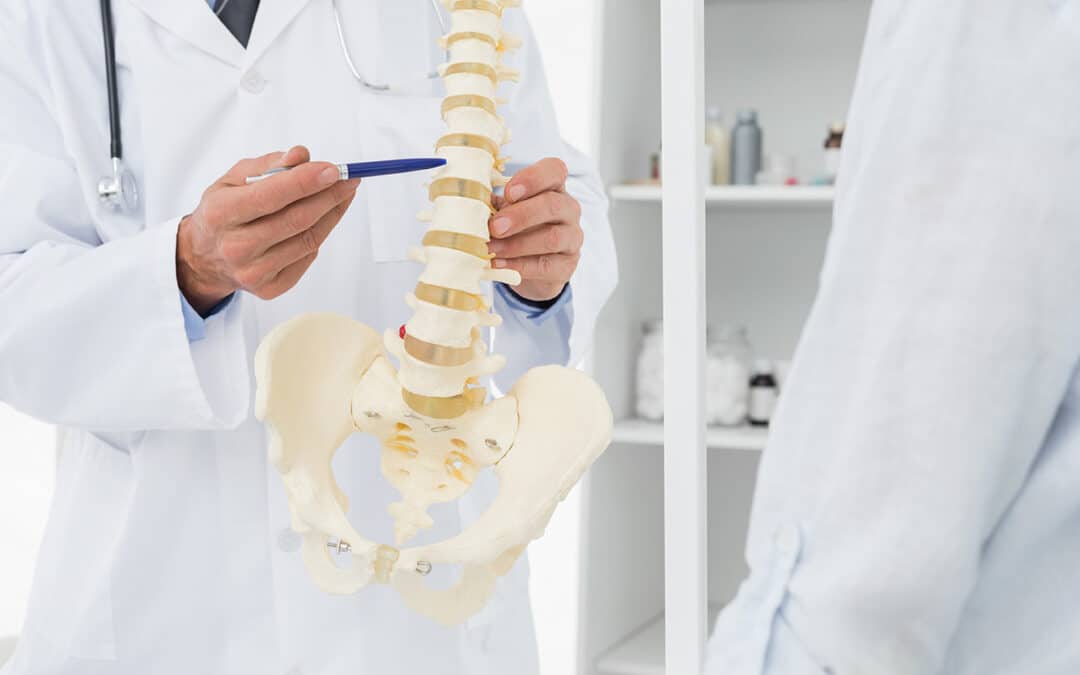
The holidays can be stressful, busy, and physically demanding, especially when travel, shopping, decorating, and family obligations all happen at once. A chiropractor can help evaluate back pain, neck tension, stiffness, headaches, and movement problems that may become more noticeable during the season. Stress can also lead to muscle tension, poor sleep, and discomfort, which may make everyday holiday tasks feel harder than usual. The CDC recommends making time to unwind through activities such as deep breathing, stretching, meditation, journaling, or spending time outdoors, which makes holiday stress relief important for overall well-being.
1. Travel
Holiday travel can be hard on the body, whether someone is driving, flying, carrying luggage, or sitting for long periods. Prolonged sitting may contribute to back stiffness, tight hips, neck tension, and discomfort, especially when posture support is limited. Chiropractic care, gentle stretching, movement breaks, and massage therapy may help some people manage travel-related soreness. MedlinePlus explains that exercise can improve posture, strengthen the back and abdomen, and improve flexibility, which makes travel back pain prevention easier to plan.
- Travelers should stand, stretch, and move regularly during long drives or flights when it is safe to do so.
- Good posture, lumbar support, and careful luggage lifting can reduce unnecessary strain on the back and neck.
- People who experience pain before or after travel may benefit from speaking with a chiropractor about safe movement and recovery options.
2. Lifting and Standing More Than Usual
Holiday shopping, decorating, cooking, wrapping, and hauling boxes can increase strain on the back, shoulders, elbows, hips, and knees. Lifting heavy items, carrying bags unevenly, or standing on hard floors for long periods can make pain worse. Careful lifting, supportive shoes, rest breaks, and stretching can reduce the chance of soreness or injury. MedlinePlus recommends lifting with the legs, keeping the object close to the body, and avoiding twisting while lifting, which makes safe lifting habits important during the holidays.
- Heavy bags and boxes should be lifted with the legs rather than the back whenever possible.
- Standing on hard floors for long periods can increase discomfort, so short movement breaks and supportive footwear may help.
- Anyone with new or worsening pain after lifting, decorating, or shopping should consider a professional evaluation.
3. Stress
Holiday stress can affect the body in several ways, including muscle tightness, headaches, jaw tension, neck pain, poor sleep, and low energy. Many people hold tension in the neck, shoulders, and upper back when schedules become busy or emotions run high. Chiropractic care may help some patients address musculoskeletal tension while other stress-management habits support overall wellness. Mayo Clinic explains that stress is a common trigger for tension-type headaches and migraine, which makes stress-related pain important to manage during busy seasons.
- Stress can contribute to tight muscles, headaches, neck pain, low back discomfort, and jaw tension.
- Relaxation habits such as breathing exercises, stretching, sleep routines, and time outdoors may help reduce stress-related discomfort.
- A chiropractor can evaluate posture, muscle tension, and spinal movement when stress seems to worsen physical pain.
4. Digestive Issues
Holiday meals, schedule changes, travel, dehydration, stress, and reduced activity can all affect digestion. Some people may notice constipation, bloating, gas, reflux, or stomach discomfort when routines change. Chiropractic care should not replace medical care for digestive disease, but gentle movement, hydration, balanced meals, and stress management may support better comfort during the season. MedlinePlus explains that constipation may be caused by changes in diet, decreased physical activity, not drinking enough fluids, stress, travel, or ignoring the urge to have a bowel movement, which makes holiday digestive issues easier to understand.
- Holiday eating changes can contribute to bloating, constipation, reflux, or general stomach discomfort.
- Water, fiber-rich foods, regular movement, and consistent bathroom routines may help support digestion.
- Severe abdominal pain, blood in stool, persistent vomiting, unexplained weight loss, or worsening symptoms should be discussed with a healthcare provider.
5. Winter Mood and Low Energy
Shorter days, colder weather, busy schedules, and holiday stress can affect mood and energy for some people. Chiropractic care may support comfort and movement, but depression symptoms should be taken seriously and discussed with a qualified healthcare provider. Healthy routines such as outdoor light exposure, movement, sleep consistency, social support, and medical guidance can all matter during winter. MedlinePlus explains that seasonal affective disorder usually starts in late fall and early winter and improves during spring and summer, which makes winter mood changes important to recognize.
- Lower mood, fatigue, sleep changes, loss of interest, or ongoing sadness should not be ignored.
- Movement, daylight exposure, balanced nutrition, and consistent sleep may support overall seasonal wellness.
- Anyone with persistent depression symptoms or thoughts of self-harm should seek medical or mental health support right away.
Supporting Your Body During the Holidays
The holiday season can bring more stress, more lifting, more travel, and more changes to daily routines. These changes may increase discomfort for people who already struggle with back pain, neck tension, headaches, stiffness, or mobility concerns. Visiting a chiropractic clinic may help some patients manage musculoskeletal discomfort while also learning practical ways to protect the body during a busy season. The National Center for Complementary and Integrative Health explains that chiropractic care may include manual therapies, exercise, and health and lifestyle counseling, which supports the role of chiropractic care as part of a broader wellness plan.

Key Takeaways About Visiting a Chiropractic Clinic During the Holidays
The holiday season can place extra stress on the body through travel, lifting, shopping, decorating, standing, schedule changes, and emotional pressure. Chiropractic care may help people manage back pain, neck tension, stiffness, headaches, and movement-related discomfort during busy seasons. A chiropractic clinic can also provide practical guidance on posture, stretching, lifting habits, and movement routines that support better comfort during the holidays.
- Holiday travel can lead to back stiffness, neck tension, and tight muscles from long periods of sitting.
- Lifting boxes, carrying bags, decorating, and standing on hard floors can increase strain on the back, shoulders, knees, and hips.
- Stress can contribute to muscle tension, headaches, jaw discomfort, poor sleep, and increased pain sensitivity.
- Holiday eating, travel, dehydration, and schedule changes can affect digestion and overall comfort.
- Winter mood changes, low energy, and seasonal stress should be taken seriously, especially when symptoms last or interfere with daily life.
- Chiropractic care may support musculoskeletal comfort, but severe symptoms, depression concerns, or digestive warning signs should be discussed with a qualified healthcare provider.
FAQ About Chiropractic Care During the Holidays
Why do people visit a chiropractic clinic during the holidays?
People often visit a chiropractic clinic during the holidays because travel, shopping, decorating, lifting, standing, stress, and schedule changes can increase back pain, neck tension, headaches, and stiffness.
Can holiday travel cause back or neck pain?
Holiday travel can contribute to back or neck pain because long periods of sitting, poor posture, heavy luggage, and limited movement can strain muscles and joints.
How can someone reduce back strain while traveling?
Travelers can reduce back strain by using lumbar support, stretching regularly, standing when possible, lifting luggage carefully, staying hydrated, and avoiding long periods in one position.
Can stress make physical pain worse?
Stress can make physical pain feel worse because the body may respond with muscle tension, headaches, jaw tightness, poor sleep, and increased sensitivity to discomfort.
Can chiropractic care help with holiday stress?
Chiropractic care may help address muscle tension, stiffness, and posture-related discomfort that can worsen during stressful seasons. Stress management should also include rest, movement, hydration, breathing exercises, and healthy routines.
Should someone see a chiropractor after lifting or decorating injuries?
Someone may consider seeing a chiropractor if lifting, decorating, or standing for long periods causes back pain, neck pain, stiffness, or reduced mobility. Severe pain, numbness, weakness, or injury after a fall should be evaluated by a medical provider.
Can chiropractic care help digestive issues during the holidays?
Chiropractic care should not replace medical care for digestive problems. Holiday digestive discomfort is often linked to diet changes, stress, dehydration, travel, and reduced movement, so severe or ongoing symptoms should be discussed with a healthcare provider.
When should someone seek medical care instead of chiropractic care?
Someone should seek medical care for chest pain, trouble breathing, severe headache, numbness, weakness, loss of bladder or bowel control, severe abdominal pain, blood in stool, persistent vomiting, or symptoms of depression that interfere with daily life.
- About the Author
- Latest Posts

With over 35 years of service, Dr. Robinson’s education continues in the areas of functional neurology and functional medicine/nutrition. In addition to certification in multiple techniques, his continuing education includes over 200 hours of Functional Neurology in addition to 100 hours of Applied Kinesiology.